

Choosing the perfect fishtail wedding dress begins with understanding the shape that makes this bridal silhouette so distinctive. A fitted bodice follows the waist and hips before the skirt opens into a graceful flare, creating a beautiful combination of structure, elegance, and drama.
Whether you imagine a romantic lace gown, a minimalist crepe design, or a dramatic satin dress with a long train, a fishtail silhouette can make a memorable statement. However, its beauty depends on more than how it looks on a mannequin. The position of the flare, your proportions, fabric choice, and comfort while moving all affect the final result.
This guide explains how to choose your ideal fishtail wedding gown, compare related silhouettes, select fabrics and necklines, plan fittings, and prepare for your Houston wedding. You will also find practical advice on walking, sitting, dancing, alterations, accessories, and wedding-day care.
Quick Summary: Choosing a Fishtail Wedding Dress
A fishtail wedding dress fits through the bodice, waist and hips before flaring toward the bottom, often around the knees. It is closely related to the mermaid silhouette, although fashion terminology varies. Choose a flare position that suits your proportions, a fabric that supports the intended shape, and a bodice that feels secure. Test walking, sitting and dancing before ordering. For a Houston wedding, also consider venue flooring, heat, train length and alterations. Lace, crepe, satin and mikado can all work beautifully, depending on construction.
What Is a Fishtail Wedding Dress?
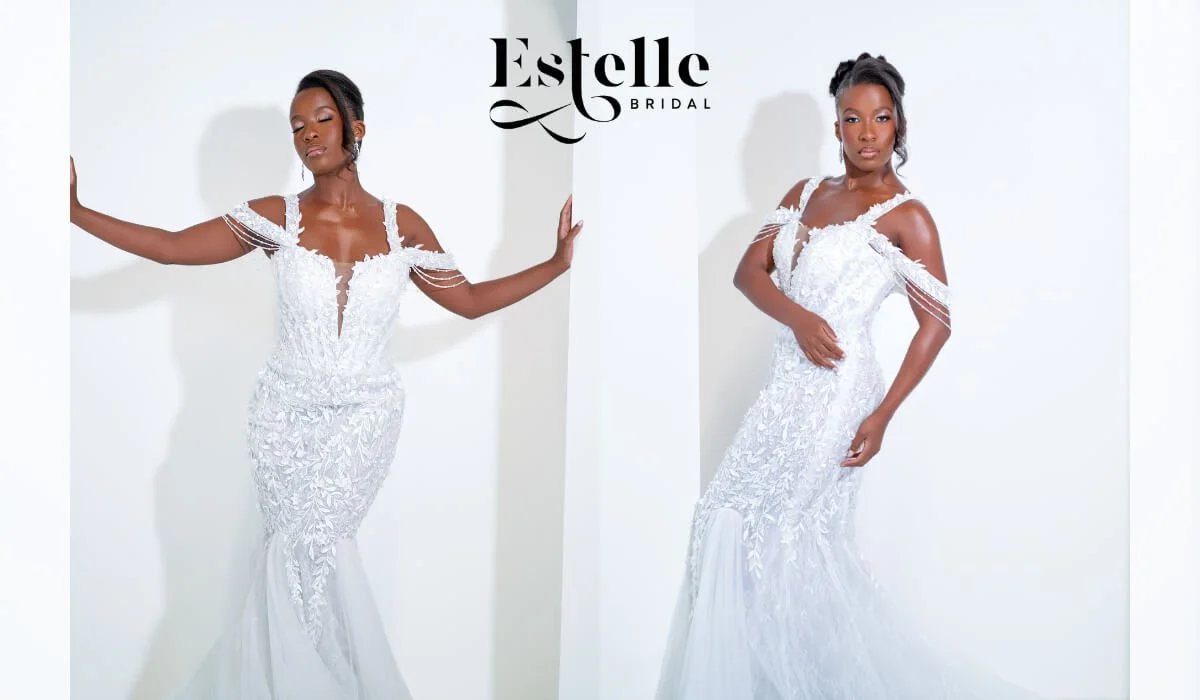
A fishtail wedding dress is a formal gown with a close-fitting upper section and a skirt that flares outward toward the lower leg, creating a shape that resembles a fish's tail.
The design usually follows the bust, waist and hips before widening at or near the knees. This produces a dramatic contrast between the fitted body and the fuller skirt.
In bridal fashion, fishtail and mermaid are often used interchangeably. Some designers use fishtail more broadly for a tapered gown with a lower flare, while others use it for a specific mermaid variation.
That is why it is important to look at the actual dress shape rather than relying only on the name.
What Makes a Fishtail Gown Different From a Regular Wedding Dress?
The defining feature is the close fit through the hips and upper legs followed by a visible lower skirt flare.
An A-line gown widens gradually from the waist, while a true fishtail or mermaid remains narrow for longer before introducing volume.
This silhouette can emphasize the natural waist and create a sculpted appearance. It also makes correct fit particularly important.
Is a Fishtail Wedding Dress Suitable for a Traditional Ceremony?
Yes. A fishtail gown can be appropriate for traditional church ceremonies, formal ballroom weddings, civil ceremonies and many modern celebrations.
The neckline, sleeves, coverage and fabric can be adapted to the expectations of the venue or ceremony.
A long-sleeved lace fishtail gown may feel classic and romantic, while a clean satin design with a square neckline can look contemporary.
Fishtail vs Mermaid, Trumpet and Fit-and-Flare: What Is the Difference?
These closely related wedding dress silhouettes share a fitted upper body and widening skirt, but they do not always flare at the same point.
The position of the flare can change both the overall appearance and your range of movement.
| Silhouette | Typical Flare Position | Appearance and Comfort |
|---|---|---|
| Fishtail | Usually around the knee; terminology varies | Sculpted upper body with a defined lower flare |
| True mermaid | Around or below the knee | Very dramatic with a longer fitted section |
| Trumpet | Often around the mid-thigh | Gradual widening with greater movement potential |
| Fit-and-flare | Usually higher than a true mermaid | Softer transition and generally easier walking |
| A-line | At or near the waist | More room through the hips and legs |
Are Fishtail and Mermaid Wedding Dresses the Same?
They are closely related and are frequently described using the same name.
When shopping, ask where the skirt begins to widen and whether the design stays narrow through the knees.
Estelle Bridal's mermaid wedding dress type guide explains the silhouette in more detail.
Should You Choose a Trumpet Instead?
A trumpet gown may be an attractive alternative if you love a fitted waist and hips but prefer the skirt to open slightly higher.
This can create a similar glamorous effect while providing more room for walking.
Comfort still depends on the exact design, material, and fit.
Learn more from Estelle Bridal's fit-and-flare wedding dress guide.
Which Fishtail Wedding Dress Styles Can You Choose?
Fishtail gowns can range from minimalist and modern to intricately embellished designs.
The basic skirt silhouette can be combined with different lengths, fabrics, necklines, sleeves and trains.
1. Classic Floor-Length Fishtail Wedding Dress
A full-length fishtail gown is a traditional interpretation of the silhouette.
It follows the figure and extends toward the floor, often with a train that adds ceremony drama.
This style works beautifully for formal weddings, elegant indoor venues and brides who appreciate a sculpted appearance.
2. Lace Fishtail Bridal Dress
Lace introduces texture and romantic detailing.
A lace overlay can soften the transition between the fitted skirt and lower flare, while embroidery or floral motifs can highlight particular design features.
Delicate lace requires careful handling near shoes, jewelry and rough surfaces.
3. Satin or Minimalist Fishtail Gown
A clean satin or crepe design emphasizes the silhouette itself rather than relying on heavy decoration.
The fabric's smooth finish makes accurate tailoring especially important because unwanted pulling or wrinkles can become more visible.
Minimalist fishtail gowns pair beautifully with simple veils and elegant jewelry.
4. Long-Sleeved Fishtail Wedding Dress
Long sleeves can create a formal, sophisticated appearance and may provide coverage for religious ceremonies or personal preferences.
Lace, illusion sleeves, and structured fabrics all create different effects.
Check that the sleeves allow you to raise your arms and move comfortably.
5. Fishtail Dress With Detachable Details
Some bridal designs can incorporate detachable overskirts, trains, sleeves or accessories.
These can change the look between ceremony and reception, although the feasibility depends on the gown's structure.
Ask about detachable elements during the design stage rather than assuming they can be added later.
6. Fishtail Midi or Reception Dress
Shorter fishtail-inspired dresses can offer a modern look for reception celebrations or other formal occasions.
For a wedding ceremony, however, a floor-length design may better reflect the level of formality you want.
The ideal length depends on your wedding plans and personal style.
Which Body Shapes Suit Fishtail Wedding Dresses?
Fishtail wedding dresses can look beautiful on many body types. The key is balancing the gown's proportions and ensuring that the fitted sections support comfortable movement.
No bride needs a particular body shape to wear this silhouette.
Hourglass Figures
Fishtail designs emphasize the transition between the waist and hips, which can appeal to brides who enjoy a strongly defined silhouette.
A well-fitted bodice and properly placed flare help create a balanced finish.
Pear-Shaped Figures
A fishtail gown can celebrate the natural hip line and introduce dramatic volume below the knee.
Necklines such as off-the-shoulder, square or sweetheart may help balance the overall look if that is the effect you prefer.
Petite Brides
Petite brides should pay particular attention to the location of the skirt flare.
If a sample gown is designed for a taller person, the flare may sit too low, making the fitted section seem disproportionately long.
During your appointment, ask whether the flare can be positioned appropriately for your leg proportions.
Tall Brides
Tall brides may need additional gown length or adjustments so that the fitted section and flare sit where intended.
Check the knee position and train length rather than assuming a standard sample will have the correct proportions.
Plus-Size Brides
A supportive, correctly constructed fishtail gown can be an elegant option at many sizes.
Pay attention to bodice support, seam placement, comfortable hip fit and the amount of room available for walking.
The dress should not depend on excessive compression to achieve its intended shape.
Brides Who Prefer Softer Waist Definition
If you enjoy the fishtail aesthetic but prefer less contouring around your waist or hips, consider a higher flare, softer fabric or related trumpet silhouette.
Try several options before deciding that a true fishtail is the only way to achieve your preferred look.
Why Is the Flare Position So Important in a Fishtail Wedding Dress?
The flare point is the area where the fitted skirt begins to widen.
Its placement affects how the gown looks from the side, how the skirt moves when walking, and whether the proportions feel balanced.
A flare that begins too low may restrict your stride or make the lower skirt look compressed. A flare positioned higher changes the silhouette toward a trumpet or fit-and-flare shape.
How Can You Check the Flare at Your Appointment?
- Stand naturally in the gown without pulling the skirt into position.
- Identify where the fabric begins to widen.
- Compare that point with your knee and thigh proportions.
- Walk several steps to test movement.
- Take a side photograph to assess the silhouette.
- Ask whether alterations could reposition the flare if necessary.
The goal is not to achieve a mathematical ideal. It is to find a balance between the intended shape and a comfortable fit.
Fitting tip: When comparing fishtail gowns, look at where each dress starts to flare, not just the neckline or decorative details. This single feature can significantly change your walking comfort and overall silhouette.
Which Fabrics Are Best for a Fishtail Wedding Dress?
Fabric choice plays an important role because fishtail gowns rely on both a close-fitting upper skirt and a lower section that opens outward.
Some materials create structure, while others introduce fluid movement or decorative texture.
| Fabric | Appearance | Fit Consideration |
|---|---|---|
| Stretch crepe | Smooth, contemporary | Stretch and recovery depend on the material |
| Satin | Elegant, reflective | Shows pulling and surface ripples |
| Mikado | Structured, sculptural | May create a heavier gown |
| Lace | Romantic, textured | Needs careful handling around snags |
| Tulle | Airy-looking flare | Multiple layers may add volume |
| Organza | Light-looking, structured volume | Can maintain a dramatic flare |
| Charmeuse | Fluid, lustrous | Requires thoughtful construction |
Is Crepe a Good Fabric for Fishtail Wedding Dresses?
Crepe is a popular option for clean, modern fishtail designs.
Selected stretch crepes can provide flexibility through the fitted skirt while preserving a defined silhouette.
However, not every crepe contains stretch or offers the same structure. Evaluate the actual fabric used in the gown.
What Is Best for a Romantic Lace Fishtail Gown?
Lace over a suitable lining can create a romantic appearance while helping the gown hold its shape.
Consider whether you prefer delicate floral motifs, larger lace patterns, or embellished details.
Lace placement can also affect the appearance of the waist and skirt flare.
Is Satin Suitable for an Outdoor Houston Wedding?
Satin can be beautiful, but its weight, lining and fiber composition influence how comfortable it feels in warm weather.
A structured satin gown may work wonderfully indoors, while outdoor celebrations call for additional consideration of heat and movement.
See Estelle Bridal's wedding dress fabric guide for more detailed comparisons.
Which Necklines and Sleeves Work Best With a Fishtail Wedding Dress?
Fishtail wedding dresses can be styled with many different necklines and sleeves.
The best combination depends on your comfort preferences, the level of ceremony coverage, and the overall design.
Sweetheart and Strapless Necklines
A sweetheart neckline creates a romantic curve above the fitted bodice.
Strapless designs emphasize the shoulders and neckline, but require secure, properly constructed support.
Test the bodice while lifting your arms and sitting so you can assess comfort.
Off-the-Shoulder Designs
Off-the-shoulder straps can soften the appearance of a structured fishtail gown and create a graceful bridal silhouette.
Check that the straps allow natural arm movement and do not slip or pull during normal activities.
V-Neck and Plunging Necklines
A V-neck can introduce a long visual line through the bodice.
For deeper necklines, built-in support and properly fitted lining may be important.
Choose the amount of coverage that feels secure and appropriate for your ceremony.
Long Sleeves and High Necklines
Long sleeves, bateau necklines, high collars and illusion details can create an elegant, covered look.
These designs may suit traditional ceremonies or brides who prefer modest styling.
Check fabric softness and movement, especially for fitted lace sleeves.
Which Fishtail Wedding Dress Colors Should You Consider?
White and ivory are classic choices, but fishtail wedding dresses can also be designed in blush, champagne, black, red, and other shades.
The silhouette works with many colors because its defining feature is the fitted shape and flared skirt.
White and Ivory Fishtail Wedding Dresses
White creates a crisp bridal appearance, while ivory often looks warmer and softer.
Compare the exact fabric against your complexion rather than choosing from a color name alone.
Blush and Champagne Fishtail Gowns
Blush and champagne can create gentle warmth and subtle color while retaining a traditional bridal feel.
Layered tulle or lace may appear different over a colored lining, so evaluate the completed fabric combination.
Black and Red Fishtail Dresses
Black and red can create bold, expressive bridal looks for couples who prefer nontraditional colors.
Consider the ceremony setting, cultural traditions and your personal preferences.
Choose accessories that complement the dress rather than competing with its strong silhouette.
Can You Walk, Sit and Dance Comfortably in a Fishtail Wedding Dress?
Yes, provided the gown is properly constructed, fitted and tested for your wedding-day activities.
However, a true fishtail or mermaid silhouette can limit stride length because the skirt remains narrow through part of the thighs and knees.
Movement should be evaluated during your appointment rather than assumed from photographs.
How Do You Walk in a Fishtail Wedding Dress?
Walk naturally with a comfortable stride rather than trying to force large steps through the fitted skirt.
Practice turning, climbing a small step and moving around obstacles.
Choose footwear that feels stable and does not repeatedly catch the hem.
For a more detailed walking tutorial, read Estelle Bridal's guide to walking in a mermaid wedding dress.
Can You Sit Comfortably?
During a fitting, sit for several minutes and then stand without adjusting the gown excessively.
Look for uncomfortable pressure around the hips, thighs and knees.
Check whether the bodice stays in position and whether any seams pull.
Can You Dance in a Fishtail Gown?
Many brides can dance comfortably in a fishtail gown, although wide steps and energetic movements may be limited by the skirt's construction.
Practice movements similar to your planned first dance.
A bustle can help manage the train, but it does not automatically remove restrictions caused by a narrow fitted skirt.
Movement tip: Test the gown in the same shoes and undergarments you intend to wear. Changing footwear or compression garments later can affect comfort and fit.
Which Wedding Venues Are Best for a Fishtail Wedding Dress?
Fishtail gowns can suit many wedding settings, although the venue influences fabric, footwear, train length and how easily you can move.
| Wedding Venue | Fishtail Consideration | Planning Advice |
|---|---|---|
| Indoor ballroom | Formal, dramatic look | Plan bustle and movement |
| Traditional church | Elegant long silhouette | Check sitting, kneeling and coverage needs |
| Garden wedding | Beautiful but challenging on uneven ground | Use suitable shoes and manage the train |
| Beach wedding | Sand can restrict movement | Consider a higher flare and manageable hem |
| City or hotel venue | Polished, contemporary appearance | Assess stairs and walking distances |
| Outdoor Houston summer wedding | Heat and humidity matter | Evaluate lining, fabric weight and comfort |
Is a Fishtail Wedding Dress Good for a Garden Wedding?
It can be, especially when the bride loves a fitted silhouette.
However, grass, gravel, stairs and uneven paths can make walking more challenging.
Plan your route, select stable shoes and have someone assist with the train when needed.
Can You Wear a Fishtail Dress to a Beach Wedding?
Yes, but the lower fitted skirt may make walking in sand more difficult.
A lighter fabric, suitable footwear and a slightly higher flare may improve comfort.
Test the dress with the intended shoes before committing to an outdoor beach ceremony.
How Do You Choose the Right Train and Bustle for a Fishtail Wedding Dress?
A train can enhance the dramatic appearance of a fishtail gown, especially during the ceremony and formal photographs.
However, longer trains require careful planning for movement and reception activities.
Which Train Length Works Best?
A short sweep train may be suitable if you prefer a practical, manageable gown.
A chapel or longer train can create a more dramatic effect but introduces additional fabric that must be handled during walking and dancing.
Consider the venue's floor surfaces and how frequently you will move between locations.
Estelle Bridal's custom wedding dress train length guide explains the choices in more detail.
Does a Fishtail Wedding Dress Need a Bustle?
If the dress has a train that will need lifting for the reception, a bustle may be helpful.
A bustle secures the train so it can be managed more easily when walking and dancing.
The design should complement the skirt flare without creating unwanted bulk.
Which Bustle Style Is Best?
American, French and ballroom bustles are among the styles that may be considered, depending on the gown.
The appropriate option depends on fabric weight, train construction and the finished silhouette.
Review Estelle Bridal's wedding dress bustle guide before discussing your preference with an alterations professional.
Which Alterations and Measurements Matter for a Fishtail Wedding Dress?
Fishtail gowns require careful fitting because the design closely follows the body before opening into the lower skirt.
Measurements and seam placement affect both the appearance and the available movement.
Which Measurements Are Most Important?
Bust, waist, hips and overall gown length are essential starting points.
For a fitted fishtail silhouette, thigh and knee proportions and the intended flare position can also influence the final construction.
Follow the boutique's instructions for accurate measuring.
Estelle Bridal provides a bridal measurement guide to help prepare for sizing discussions.
Should the Dress Feel Very Tight?
A fishtail gown should fit closely without causing pain, restricting breathing or preventing normal movement.
Excessive tightness around the hips or thighs may make sitting and walking uncomfortable.
If the sample dress feels too tight, discuss fitting adjustments or alternative silhouettes rather than relying on a smaller stride throughout the day.
Can the Flare Position Be Altered?
Sometimes, depending on the construction, seam allowances, fabric and embellishments.
Changing the flare may require substantial alteration work, particularly if lace motifs or complex seams cross the area.
Ask whether the desired change is realistic before purchasing.
What Should You Bring to a Fitting?
- The shoes you plan to wear on your wedding day.
- Your intended bra or shapewear.
- Any slip or underlayer required by the design.
- Accessories that may affect neckline or back fit.
- Information about your venue and planned activities.
Bringing consistent items to each fitting helps the alterations professional evaluate the gown as you intend to wear it.
What Should You Wear Under a Fishtail Wedding Dress?
Because fishtail gowns follow the body closely, undergarment seams and waistbands may become visible beneath certain fabrics.
However, special shapewear is not a requirement for every bride.
Some gowns already contain supportive cups and lining, while others may benefit from carefully selected additional support.
Do You Need Shapewear?
No. Choose it only if it improves comfort or the way the fabric hangs.
Overly tight shapewear can create visible edges, shift during movement or make sitting uncomfortable.
Try the gown with and without the optional garment to see which result you prefer.
How Do You Avoid Visible Underwear Lines?
Consider smooth undergarments with flat edges and a suitable color beneath the gown's lining.
Test the complete outfit under natural light and take photographs from different angles.
For a detailed comparison, explore Estelle Bridal's bridal undergarments and fitting guide.
How Should You Accessorize a Fishtail Wedding Dress?
A fishtail gown already creates a distinctive silhouette, so accessories should complement its design.
The ideal finishing pieces depend on the neckline, embroidery, fabric, train and your personal preferences.
Which Veil Works Best?
A simple veil can complement a heavily embellished gown without competing with its detail.
For a minimalist satin or crepe fishtail, a more decorative veil may provide an elegant contrast.
Consider the combined movement of the veil and train, particularly if you plan outdoor photographs.
What Jewelry Should You Choose?
For a detailed neckline, understated earrings or a bracelet may be sufficient.
A simpler bodice can work with one statement accessory.
Avoid choosing large jewelry pieces solely because they appear dramatic individually. Evaluate how they look alongside the complete gown.
What Wedding Shoes Work With a Fishtail Gown?
Comfortable, stable shoes are particularly important because the fitted skirt may limit stride length.
A block heel, manageable pump or formal flat may work depending on the venue.
Choose shoes before your hem is finalized. Changing heel height can alter the way the gown falls around your feet.
Browse Estelle Bridal's bridal accessories page when planning the finished outfit.
How Should You Plan Your Budget and Timeline for a Fishtail Wedding Dress?
The cost of a fishtail gown depends on its materials, construction, embellishments, customization and any alterations required.
A simple crepe dress may involve different construction costs from a heavily embroidered lace gown with an elaborate train.
Compare the complete expected cost rather than assuming that one silhouette is automatically expensive or affordable.
What Expenses Should You Ask About?
- Base gown price.
- Fabric upgrades or custom details.
- Measurements and sizing arrangements.
- Alterations and fitting appointments.
- Train or bustle construction.
- Accessories and undergarments.
- Delivery, cleaning and preservation.
Confirm the boutique's current policies and any services included in the price before ordering.
When Should You Start Shopping?
Begin early enough to explore styles, confirm production timing and complete fittings.
Custom designs may require substantial planning time, especially when they include intricate embroidery, special fabrics or complicated structural details.
Ask Estelle Bridal about current lead times for the specific gown you are considering.
Is Custom Design Worth Considering?
Custom design can be valuable when you want a specific flare position, neckline, fabric or fit that is difficult to achieve with a ready-made gown.
Because fishtail dresses depend heavily on proportions, careful measurement and construction can be especially important.
Discuss available options during your appointment instead of assuming every customization is possible.
Fishtail Wedding Dress Fitting Checklist
Use this checklist when comparing gowns and attending fittings.
- Confirm that the bodice feels supportive.
- Check the fit around the waist and hips.
- Locate the point where the skirt begins to flare.
- Compare that point with your knee and leg proportions.
- Walk at your normal pace.
- Sit and stand without discomfort.
- Raise your arms and turn naturally.
- Practice a few movements from your first dance.
- Test the gown with your actual shoes.
- Check the hem on stairs or a small step.
- Ask how the train will be lifted for the reception.
- Review any alteration or custom design requirements.
- Take photographs from the front, side and back.
- Check the fabric under natural and indoor lighting.
- Confirm the full expected cost and delivery schedule.
How Do You Know You Have Found the Right Fishtail Dress?
The right gown should feel visually balanced, secure through the bodice and comfortable enough for your planned celebration.
You should appreciate the silhouette from several angles and feel able to move without repeatedly adjusting the dress.
If one element feels wrong, discuss it rather than ignoring the concern.
Common Mistakes to Avoid When Choosing a Fishtail Wedding Dress
- Choosing only from photographs: The flare may sit differently on your body.
- Ignoring movement: A fitted skirt needs a walking and sitting test.
- Relying on a body-type rule: Proper fit and personal preference matter more.
- Choosing fabric without checking structure: The material affects the silhouette.
- Overlooking the venue: Outdoor surfaces and stairs can change practicality.
- Forgetting the train: Plan how it will be managed at the reception.
- Changing shoes after hemming: Different heel heights affect the finished length.
- Using excessive compression: Undergarments should not make the gown painful.
- Assuming every alteration is possible: Construction can limit changes.
- Starting too late: Allow time for production, fitting and adjustments.
Thoughtful preparation can make the entire shopping experience more enjoyable and help you avoid unnecessary stress before the wedding.
Choosing Your Fishtail Wedding Dress at Estelle Bridal in Houston
Estelle Bridal is a Houston bridal boutique offering wedding gowns, custom design options and personalized bridal appointments.
When selecting a fitted fishtail or mermaid silhouette, discuss how the flare, fabric and bodice construction will work with your measurements and wedding plans.
Silhouette selection: Compare fitted bridal shapes and identify the amount of skirt flare you prefer.
Fabric and design: Consider lace, crepe, satin and other suitable materials.
Personal proportions: Pay attention to waist placement, hip fit and flare position.
Movement: Test walking, sitting and turning before making final decisions.
Customization: Ask about available changes to necklines, sleeves, trains and design details.
Houston location: Estelle Bridal is located at 2428 S Hwy 6, Houston, TX 77077.
Explore the Estelle Bridal wedding gown collection to begin comparing styles.
Specific gowns, customization options, alterations, pricing and production timelines should be confirmed during your consultation.
Frequently Asked Questions About Fishtail Wedding Dresses
What Is a Fishtail Wedding Dress?
A fishtail wedding dress fits closely through the bodice, waist and hips before widening into a flared skirt near the knees. It is closely related to the mermaid silhouette.
Is a Fishtail Wedding Dress the Same as a Mermaid Dress?
The names are often used interchangeably. Both describe fitted gowns with a lower skirt flare, although individual designers may use slightly different terminology.
What Body Type Suits a Fishtail Wedding Dress Best?
Fishtail gowns can suit many body types. The best result depends on fit, supportive construction, flare placement and personal preference rather than one specific body shape.
Are Fishtail Wedding Dresses Difficult to Walk In?
Some fishtail gowns can restrict stride length because the skirt remains narrow through the thighs and knees. Proper fitting, manageable shoes and movement practice can help.
Can You Dance in a Fishtail Wedding Dress?
Yes, if the gown allows your intended movements. Test your first dance during fittings and consider a bustle for the train when appropriate.
What Fabric Is Best for a Fishtail Wedding Dress?
Crepe, satin, lace and mikado can all work beautifully. The best choice depends on the desired structure, movement, fabric weight and venue conditions.
Can Plus-Size Brides Wear Fishtail Wedding Dresses?
Absolutely. A fishtail gown can be elegant at many sizes when properly constructed and fitted. Comfort, support and accurate proportions are the main considerations.
Can Petite Brides Wear Fishtail Gowns?
Yes. Petite brides should pay attention to the flare position and overall skirt proportions. Appropriate alterations or custom measurements can help achieve the intended silhouette.
What Is the Difference Between Fishtail and Trumpet Dresses?
A trumpet dress usually begins widening higher on the thigh, while a true mermaid or fishtail often remains fitted closer to the knee. Actual terminology varies among designers.
Do Fishtail Wedding Dresses Need a Bustle?
A bustle can be helpful when the dress has a train that needs lifting for the reception. The best style depends on the skirt construction, fabric and train length.
Final Thoughts: How to Choose the Perfect Fishtail Wedding Dress
Choosing the perfect fishtail wedding dress is about finding the right balance between beautiful design, personal proportions and wedding-day comfort.
A fishtail silhouette offers a sculpted, dramatic bridal look, but the final result depends on the flare position, bodice fit, fabric and skirt construction.
Take time to compare fishtail, mermaid, trumpet and fit-and-flare styles. Try walking, sitting and dancing in each gown, and consider how the train will work at your venue.
Whether you prefer romantic lace, sleek crepe, structured satin or a custom design, choose a gown that reflects your style and supports the way you want to celebrate.
With thoughtful planning and the right fit, your fishtail wedding gown can feel as beautiful as it looks.
Find Your Perfect Fishtail Wedding Dress at Estelle Bridal
Planning your wedding in Houston? Explore fitted bridal gowns and discuss your ideal silhouette, fabric, train, comfort and design preferences during a personalized appointment.
Book a Bridal AppointmentAbout this guide: This article provides general bridal styling, fitting and gown-selection guidance. Individual alterations, fabric suitability, custom design options, pricing and delivery schedules should be confirmed with qualified bridal professionals and the Estelle Bridal team.