
A black tie wedding guest dress is the one invitation line that sends people straight to a search bar. The code sounds strict, the advice online is vague, and nobody wants to be the guest who misread it in either direction.
This guide gives you the actual rules: what black tie asks of a female guest, when a hemline other than floor length works, whether black is allowed, how black tie differs from formal and cocktail, and how to decode an invitation that gives no dress code at all.
Quick Summary
A black tie wedding guest dress is a floor length evening gown in a structured or lustrous fabric, worn with heeled shoes and a small bag. Black is entirely acceptable. A well made midi can work when the fabric and finish carry enough weight, but floor length is the safe default.
- Floor length is the default. Choose it when you are unsure, and especially for an evening ceremony.
- Black is fine. The code is about formality, not colour. Avoid white, ivory and the bridal party shade.
- Fabric does the work. Satin, velvet, crepe, jacquard and beaded fabrics read formal. Jersey and cotton do not.
- Black tie optional is one step down, not a free pass. A floor length gown still fits comfortably.
- Check what the men are asked to wear. Tuxedos tell you the level more clearly than the wording does.
- No dress code at all? Read the venue, the start time and the invitation itself.
| Dress code | Hemline | Fabric | Men wear |
|---|---|---|---|
| Black tie | Floor length | Satin, velvet, crepe, beaded | Tuxedo |
| Black tie optional | Floor length or a formal midi | Satin, crepe, jacquard | Tuxedo or dark suit |
| Formal | Floor length or midi | Crepe, chiffon, satin | Dark suit |
| Semi formal | Midi or knee length | Crepe, chiffon | Suit, tie optional |
| Cocktail | Knee length to midi | Anything polished | Suit, often no tie |
Need a formal gown that fits properly before the day? Book a private appointment and bring the invitation with you.
What does black tie mean for a wedding guest?
Black tie means the most formal dress code most wedding guests will ever be asked for. For a female guest it means a floor length evening gown in a fabric that holds its shape or catches light, finished with heels, considered jewellery and a small bag. For men it means a tuxedo.
The code exists to make the room look consistent. Couples choose it when the venue, the time of day and the scale of the evening all point the same way, and they are asking guests to meet that level rather than interpret it loosely.
Is black tie different at a wedding than at a gala?
Slightly softer in practice. Wedding guests have more freedom on colour and embellishment than they would at a formal gala, and a bright gown is welcome rather than conspicuous. The hemline expectation stays the same.
Does black tie always mean evening?
Traditionally yes, and most black tie weddings begin in the late afternoon or evening. Daytime black tie does happen, and it changes the fabric and colour choice more than it changes the length. There is a section on that further down.
Do you have to wear a floor length dress?
Floor length is the expected answer and the safe one. A full length gown is never wrong at a black tie wedding, and choosing it removes the question entirely. A shorter hemline can work, but only when everything else about the dress is doing the formal work.
This is where most guests get stuck, because the honest answer is that length alone does not decide formality. A heavy satin midi with structure reads far more formal than a floaty full length chiffon dress in a casual print.
When is a midi actually acceptable?
Run three quick checks on the dress before you decide.
- Does the fabric hold its own shape? Structured satin, crepe, velvet and jacquard pass. Soft jersey and cotton do not.
- Is there surface interest? Beading, sequins, a pleat, a drape or a sheen all raise the formality.
- Does the shoe lift it? A heeled sandal or pump raises a midi. A flat sandal drops it back to cocktail.
Pass all three and a midi will sit comfortably at a black tie optional wedding. Pass only one or two and go floor length.
What about a jumpsuit or tailored trousers?
Both are accepted at most modern black tie weddings when the fabric and cut are formal. A wide leg jumpsuit in satin or crepe with a strong shoe reads correctly. A separates set in matching formal fabric works too. Anything that reads as daywear tailoring does not.
Can you wear black to a black tie wedding?
Yes. Black is entirely appropriate and is one of the most common choices at a black tie wedding. The name of the code refers to the men's tie, not to a colour requirement for anyone, and a black gown is never read as sombre at a formal evening wedding.
The colours to avoid are white, ivory, cream and champagne, which read as bridal in photographs, and the exact shade the bridal party is wearing. Everything else is open.
Are there weddings where black still feels wrong?
A few. Some cultural and religious traditions associate black with mourning, and a daytime garden wedding can make a black gown feel heavy. If either applies, navy, deep green, burgundy or plum give you the same depth without the question. Our guide to colours to avoid as a wedding guest covers the rest.
What colours photograph best at an evening wedding?
Saturated and deep shades hold their colour under indoor lighting and flash. Jewel tones, metallics, black and true red all photograph reliably. Very pale pastels can wash out against a dark room, which is the opposite of how they behave outdoors.
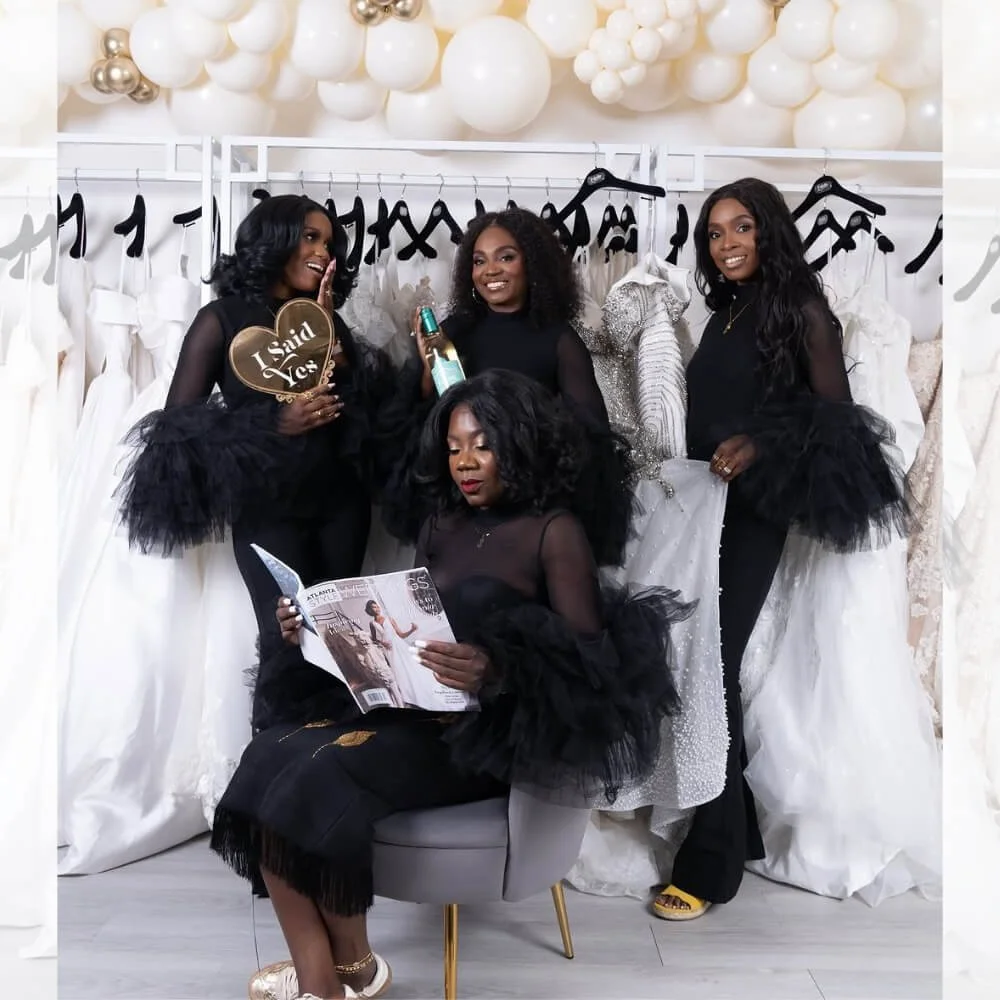
Black tie, formal or cocktail: what actually changes?
Each step down the ladder relaxes the hemline, the fabric weight and the men's requirement together. Reading all three at once is the fastest way to place an invitation, because wording alone is unreliable and couples use the terms loosely.
| Code | What it asks of you | Shoe | Give way on |
|---|---|---|---|
| Black tie | Floor length gown, formal fabric, considered jewellery | Heel | Nothing, meet it fully |
| Black tie optional | Floor length gown, or a structured formal midi | Heel | Hemline, if the fabric carries it |
| Formal or black tie preferred | Floor length or elegant midi, polished fabric | Heel or dressy flat | Hemline and embellishment |
| Semi formal | Midi or knee length, simpler fabric | Heel or dressy flat | Formality of fabric |
| Cocktail | Knee length to midi, anything polished | Any dressy shoe | Most things, but not casual fabric |
What does black tie preferred or black tie encouraged mean?
It means the couple want the room to look black tie but will not mind if some guests arrive a step below. Treat it as black tie optional. Guests who meet the code fully are never the ones who feel out of place.
Can you be overdressed at a wedding?
Rarely, and never in a way that causes offence. The only version of overdressed that matters is anything that reads as bridal or competes with the wedding party. A floor length gown in a strong colour at a semi formal wedding reads as someone who made an effort, which is not a problem.
Which fabrics and colours read as black tie?
Formality lives in the fabric more than anywhere else. The fabrics that read black tie either hold a sculpted shape or catch the light, and the ones that fail do neither. This is the single most useful filter when shopping.
| Fabric | Reads as | Best for |
|---|---|---|
| Satin and mikado | Strongly formal | Structured columns and A line gowns |
| Velvet | Strongly formal | Autumn and winter evening weddings |
| Beaded or sequinned | Strongly formal | Evening receptions and ballrooms |
| Crepe | Formal and clean | Minimal gowns and jumpsuits |
| Jacquard and brocade | Formal with texture | Midi lengths that need extra weight |
| Chiffon and georgette | Formal if floor length and lined | Warm weather evening weddings |
| Jersey | Usually too casual | Not black tie unless heavily draped |
| Cotton and linen | Not formal | Daytime and casual weddings only |
Does embellishment matter as much as fabric?
Almost. A plain crepe gown can be perfectly black tie, but embellishment buys you room elsewhere. A beaded midi will clear the bar where a plain one would not, which is why the fabric and finish test matters more than the tape measure.
What are men wearing, and how do you match that level?
The men's requirement is the clearest signal on any invitation, because menswear codes are far more rigid than womenswear. If the invitation asks for tuxedos, the wedding is genuinely black tie. If it says dark suit, the real level is formal rather than black tie.
Use it as a calibration tool. Ask whoever invited you what the men in the wedding party are wearing, and you will have a more reliable answer than the wording gives you.
What if the wording and the reality disagree?
Go with the venue and the wedding party. Couples sometimes write black tie for a wedding that will not be black tie in practice, usually because they want guests to dress up. In that case a floor length gown in a lighter fabric meets the wording without feeling out of place in the room.
What do you wear to a daytime black tie wedding?
Keep the length and change the mood. A daytime black tie wedding still calls for a floor length gown, but lighter colours, matte fabrics and less heavy beading suit the hour better than a full evening look does. Crepe, chiffon and light satin all work.
Heavy sequins and deep velvet can feel out of step before dark. If you love either, save them for an evening reception and choose something lighter for an afternoon ceremony.
Does an outdoor daytime ceremony change anything?
Yes, in two practical ways. Choose a block heel or a wedge if you will be standing on grass, and pick a fabric that breathes if the ceremony is outdoors in Houston heat. Our guide to colours for summer wedding outfits covers warm weather choices in more detail.
How do you read an invitation with no dress code?
Most invitations give no dress code at all, which leaves guests guessing. The invitation still tells you the answer if you read the signals rather than the words. Start time, venue type and the invitation itself are reliable indicators.
| Signal | Points toward |
|---|---|
| Ceremony starts after 6pm | Formal to black tie |
| Ceremony starts before 3pm | Semi formal to formal |
| Hotel ballroom, estate or historic venue | Formal to black tie |
| Barn, beach, garden or backyard | Semi formal or cocktail |
| Engraved or letterpress stationery | Formal to black tie |
| Digital invitation or simple card | Semi formal or cocktail |
| Phrase "reception to follow" with a seated dinner | Formal |
| Wedding party in tuxedos | Black tie |
Is it rude to ask the couple?
Not at all, and most couples are glad to be asked. A short message asking how formal they would like guests to be takes the guesswork out and is far better received than arriving unsure. Asking a member of the wedding party works just as well.
What should you not wear to a black tie wedding?
The list is short and most of it is about not competing with the couple or the room. None of it is about personal taste.
- White, ivory, cream or champagne, all of which read bridal on camera.
- The exact bridal party shade, which makes you look like an unplanned member of it.
- Casual fabrics such as cotton, linen and light jersey.
- Daytime tailoring or anything that reads as office wear.
- Very short hemlines, which sit below the code regardless of fabric.
- Flat casual sandals, which pull the whole look down a level.
What if you cannot wear heels?
Choose a dressy flat in a formal material such as satin, metallic leather or embellished fabric, and have the hem set to that shoe. A gown hemmed for heels and worn with flats will drag, which looks far more out of place than the flat shoe itself.
How do you finish the look?
Finishing a black tie look is mostly restraint. One focal point of jewellery, a small bag and a shoe that matches the formality of the gown will do more than adding pieces. Our accessories range is a useful place to see how pieces sit together.
- Jewellery: pick one lead piece, either statement earrings or a strong necklace, not both.
- Bag: a clutch or small structured bag, never a day bag.
- Shoes: heel or formal flat, in satin, metallic or embellished fabric.
- Cover up: a wrap, stole or tailored coat chosen with the dress rather than grabbed at the door.
- Hemline: set with the exact shoes you will wear, so the gown clears the floor cleanly.
What do you do about outerwear in winter?
Choose a coat that works with a full length gown rather than over it. A long tailored coat or a wrap in a formal fabric suits better than a casual jacket, and most formal venues have a cloakroom so you only need it between the car and the door.

Why Houston Brides Choose Estelle Bridal
Estelle Bridal has dressed Houston guests, mothers and wedding parties since 2016, not only brides. Formal gowns are fitted here for the whole evening rather than the first photograph.
- Custom construction for guests who want a gown built to their measurements.
- Hemming set to your actual shoes, which is what makes a floor length gown work.
- Honest guidance on formality, including when an invitation is asking for less than it says.
- Private appointments so you can walk and sit in the gown before deciding.
See our collections and accessories, or contact the studio with a question.
Frequently asked questions
What is a black tie wedding guest dress?
A black tie wedding guest dress is a floor length evening gown in a structured or lustrous fabric such as satin, velvet, crepe or beaded fabric, worn with a heeled shoe and a small bag. It is the most formal dress code most wedding guests will be asked for.
Do you have to wear black to a black tie wedding?
No. Black tie refers to the men's tie, not to a colour rule. Black is a common and entirely appropriate choice, but any colour works except white, ivory, cream, champagne and the bridal party's shade.
Can you wear a midi dress to a black tie wedding?
Sometimes, and it depends on the dress rather than the hem. A midi works when the fabric holds its shape, there is surface interest such as beading or sheen, and the shoe is a heel. If it fails any of those, choose floor length.
What is the difference between black tie and black tie optional?
Black tie expects a floor length gown and a tuxedo. Black tie optional keeps the same target but accepts a step down, so a structured formal midi or a dark suit is acceptable. A floor length gown is correct for both.
Can you wear a jumpsuit to a black tie wedding?
Yes, at most modern black tie weddings, provided the fabric and cut are formal. A wide leg satin or crepe jumpsuit with a heeled shoe reads correctly. Anything that resembles daytime tailoring does not.
More questions from Houston guests
What should you wear to a daytime black tie wedding?
Keep the floor length and lighten everything else. Crepe, chiffon and light satin in softer colours suit an afternoon better than heavy velvet or dense sequins, which read as evening wear.
How do you tell how formal a wedding is when there is no dress code?
Read the start time, the venue and the stationery together. An evening start at a ballroom or estate with engraved stationery points to formal or black tie, while an afternoon start at a barn or garden points to cocktail. Asking the couple directly is always acceptable.
Can you be too dressed up for a wedding?
Only if the outfit reads as bridal or competes with the wedding party. A floor length gown in a strong colour at a less formal wedding simply reads as someone who made an effort, which no couple minds.
What shoes should you wear with a floor length gown?
A heel, or a formal flat in satin, metallic or embellished fabric if heels are not an option. Whichever you choose, have the hem set with those exact shoes, because a gown hemmed for a different height will drag or sit short.
How far ahead should you shop for a black tie wedding?
Two to three months if the gown needs altering, and longer if it is being made to measure. Hemming a floor length gown is almost always necessary, and alteration studios are busiest during peak wedding season.
For related reading, our guides to fall wedding guest dresses, spring wedding guest dresses, winter wedding guest dresses and modest wedding guest dresses cover the seasonal and coverage side, and our measuring guide helps before a first fitting.
About the Author
Flo A. is the founder and lead designer of Estelle Bridal in Houston, Texas. Since 2016 she has designed and fitted gowns for hundreds of Houston brides, with particular experience in custom construction, lace and embellished work, and gowns built around fabric that brides bring to her themselves.
To talk through your garment, your cloth and your ceremony plan, book a private appointment at 2428 S Hwy 6, Houston, TX 77077, or call (281) 208-7805.