
White vs Ivory Wedding Dress: The Answer Nobody Gives You Straight
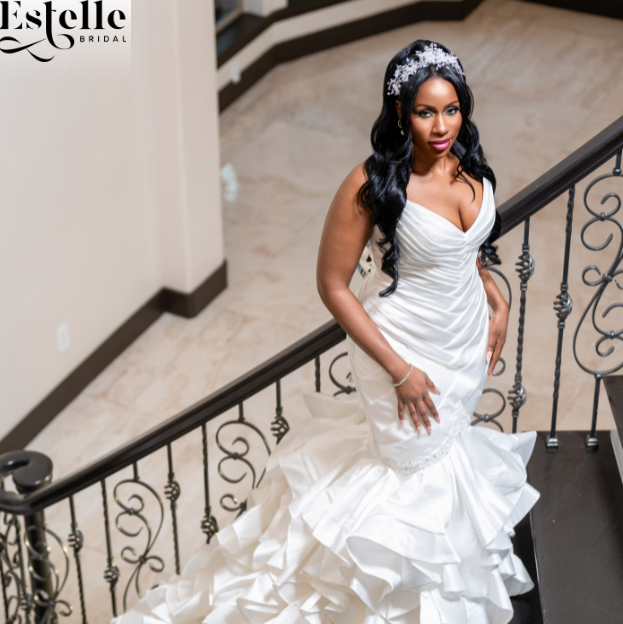
Ask ten brides what the difference between white and ivory is and most of them will say "one is slightly off-white." That's technically accurate and practically useless. The real difference shows up in photographs, under venue lighting, and standing next to everything else at your wedding. Choosing the wrong shade doesn't mean your dress looks bad in the showroom — it means something feels slightly off in every photo and you can't quite explain why. This guide gives you the clear answer most bridal content glosses over, so you walk into your appointment already knowing what to ask for.
What You're Actually Choosing Between
White and ivory are not two versions of the same colour. They behave differently in fabric, in light, and against skin - and understanding that behaviour is what makes the decision straightforward.
Pure white contains no added pigment. It's the brightest achievable shade in a fabric, and in direct sunlight or under a camera flash it can register a faint blue or violet cast. In photographs it reads as crisp and modern. In real life it demands attention and creates strong contrast with almost everything around it -your flowers, your venue décor, your wedding party.
Ivory is the warmer version. It carries cream or golden undertones that soften the overall effect, reducing glare and adding depth. In candlelit receptions and golden-hour outdoor photographs, ivory reads as luxurious rather than just bright. It's also more forgiving across lighting changes, venue environments, and a wider range of skin tones.
A few facts most guides leave out:
Most gowns that look white on a showroom floor are technically ivory. The label matters less than how it photographs.
Pure white achieved through bleaching can look almost blue-white under studio lighting and HD cameras which is striking in some contexts and harsh in others.
Ivory covers a wide internal spectrum: soft pearl, warm candlelight, and deeper cream all behave differently against different skin tones, which is why "ivory" isn't a single answer it's a starting point.
The fabric changes everything. Ivory satin looks rich and structured. Ivory chiffon is soft and diffused. The same shade in different fabrics reads as two entirely different dresses.
How Skin Tone Shapes the Decision
This is the part that matters most and the part most brides don't think through until they're already in a fitting. The interaction between dress colour and skin undertone is what creates the glow in bridal photographs - or the absence of it.
Cool undertones (veins at the wrist appear blue or purple): White typically works well. The brightness of the shade holds against lighter complexions and creates the kind of clean contrast that photographs sharply. Natural or diamond white is usually a better choice than stark white - it reads just as crisp without the blue tint risk.
Warm undertones (veins appear green): Ivory is almost universally more flattering. The warm undertones in the fabric echo the warmth in the skin, producing the luminous effect that bridal photography depends on. Stark white against warm skin frequently creates a washed-out look that neither alterations nor editing can fully fix.
Olive and medium skin tones: Both shades can work, but the specific fabric and shade within white or ivory matters enormously. Deep pearl ivory and champagne-adjacent tones consistently perform well. True white creates strong contrast that reads as striking in the right setting.
Deep and dark skin tones: Pure white creates genuinely beautiful contrast, particularly in natural light. Bold ivory shades candlelight, deep pearl -also work exceptionally well. The shades to avoid are the in-between naturals that read as neither white nor ivory they look uncertain rather than intentional.
The honest answer is that none of this can be confirmed from a screen. The only reliable evaluation is trying both shades in person, in the actual fabric of the gown, in the lighting of the boutique. Photographs taken in natural light during the appointment tell you more than any guide can.
Why Choose Estelle Bridal for Your White or Ivory Wedding Gown in Houston
There are boutiques in Houston that will show you a rack of gowns and let you figure out the white vs ivory question on your own. Estelle Bridal is not one of them. The consultation process here is built around giving that decision the informed attention it actually deserves - and the technical capability to act on whatever the conversation reveals.
From the moment you walk in, the styling team works through colour as part of the first appointment, alongside your skin tone, your venue's lighting environment, your wedding date, and your wedding party's palette. A bride getting married outdoors in Houston's golden September light needs a completely different shade assessment than one exchanging vows in a candlelit ballroom in January. Both brides can find the wrong answer in a showroom without guidance and the right answer with it. At Estelle Bridal, that guidance is built into the process rather than bolted on as an afterthought.
What makes the conversation genuinely useful rather than just pleasant is the custom and made-to-measure capability behind it. For brides who walk away from the shade discussion knowing exactly what they want — a specific candlelight ivory in chiffon, a natural white in structured Mikado - the wedding gown collection at Estelle Bridal and the boutique's design service means that combination can actually be built. Not approximated through alterations to a standard sample, but designed from scratch around the correct shade, the correct fabric, and the correct measurements. The silhouette range spans every major option through Da Vinci Bridal and Evelyn Bridal - A-line, ball gown, mermaid, fit-and-flare, sheath, and alternative styles - so the colour decision doesn't happen in isolation from the silhouette decision.
The accessories collection is selected and advised with the gown's specific shade in the room. Veil colour matching, headpiece coordination, belt undertones -these are choices that look straightforward until a pure white veil ends up beside an ivory gown in a photograph. The bridesmaid collection gets coordinated against the bridal palette rather than chosen separately, which is what protects the group photographs from the contrast issue that catches most brides off guard.
Estelle Bridal is Black-owned, woman-owned, and has been serving Houston brides from its showroom at 2428 S Hwy 6 in southwest Houston since 2016. It has been featured in Black Brides magazine. Every stylist here has one objective in your appointment: that you leave having made a decision you feel completely confident in - about colour, silhouette, fabric, and everything that follows from those choices. Book your appointment with your venue details and whatever shade references you've gathered. The fitting room will answer the questions the internet can't.
The Four Things That Change Once the Shade Is Decided
Getting the gown colour right is the first decision. These four coordination choices become much cleaner once it's locked.
Veil colour is the most immediately consequential. A pure white veil against an ivory gown creates visible contrast that reads as a mistake in photographs. Match your veil's base as closely as possible to your specific gown shade — not just "ivory" but the exact named shade from the manufacturer. Pearl ivory, candlelight, and soft cream all behave differently against veil fabrics.
Groom coordination follows the same principle. A white dress shirt against an ivory bridal gown creates the same problem as a mismatched veil. The groom's shirt should be selected with the gown's actual shade in mind, not against a generic assumption of "bridal white."
Bridesmaids need to be in a clearly different shade family to avoid the contrast problem. White bridesmaid dresses next to an ivory bridal gown make the bridal gown look off in group photographs. Champagne, blush, sage, dusty rose, and navy all sidestep this cleanly.
Florals and décor are worth a brief conversation with your planner after the gown colour is confirmed. Stark white linens or arrangements against an ivory gown create the same visual competition as white bridesmaid dresses. Cream, warm ivory, and soft white accents in florals and table settings read as cohesive rather than contrasting.
Closing
White and ivory are not interchangeable - they're different choices that produce different results depending on your skin tone, your venue, your lighting, and everything that surrounds you on your wedding day. The bride who thinks this through properly walks away with a gown that photographs exactly as she intended. The bride who leaves it to chance often discovers the difference only in the photos. Estelle Bridal in Houston is built to make sure you're in the first category. The consultation is where it starts - book yours here.
Frequently Asked Questions
What is the real difference between white and ivory in a wedding dress?
White is brighter and crisper with no colour undertones. Ivory is warmer and softer with cream or golden undertones that flatter more skin tones and photograph more gently across different lighting.
Which is more flattering white or ivory for most brides?
Ivory is more universally flattering because its warm undertones work across a wider range of skin tones. White suits cool undertones and darker complexions best but can wash out warm and lighter skin tones.
Can I wear a white veil with an ivory wedding dress?
Not recommended. The contrast photographs as a mismatch. Match your veil to your gown's exact shade family - pearl, candlelight, or soft ivory for a cohesive look across all lighting conditions.
Does venue lighting affect whether I should choose white or ivory?
Significantly. Ivory photographs beautifully in warm and golden-hour light. White performs better under bright daylight or flash photography. Indoor candlelit settings enrich ivory and can make white appear yellow.
Can I get a custom white or ivory wedding gown at Estelle Bridal Houston?
Yes. Estelle Bridal's custom and made-to-measure service means your exact shade in your chosen fabric can be designed and built to your specific measurements from initial consultation through final fitting.
How do I know which shade to choose before my appointment?
Check your wrist veins in natural light. Blue or purple veins indicate cool undertones that suit white. Green veins indicate warm undertones that suit ivory. When unsure, try both in person - the difference is immediately visible in fabric against your skin.