
Best Winter Bridal Dresses - Fabric, Style, and Tips
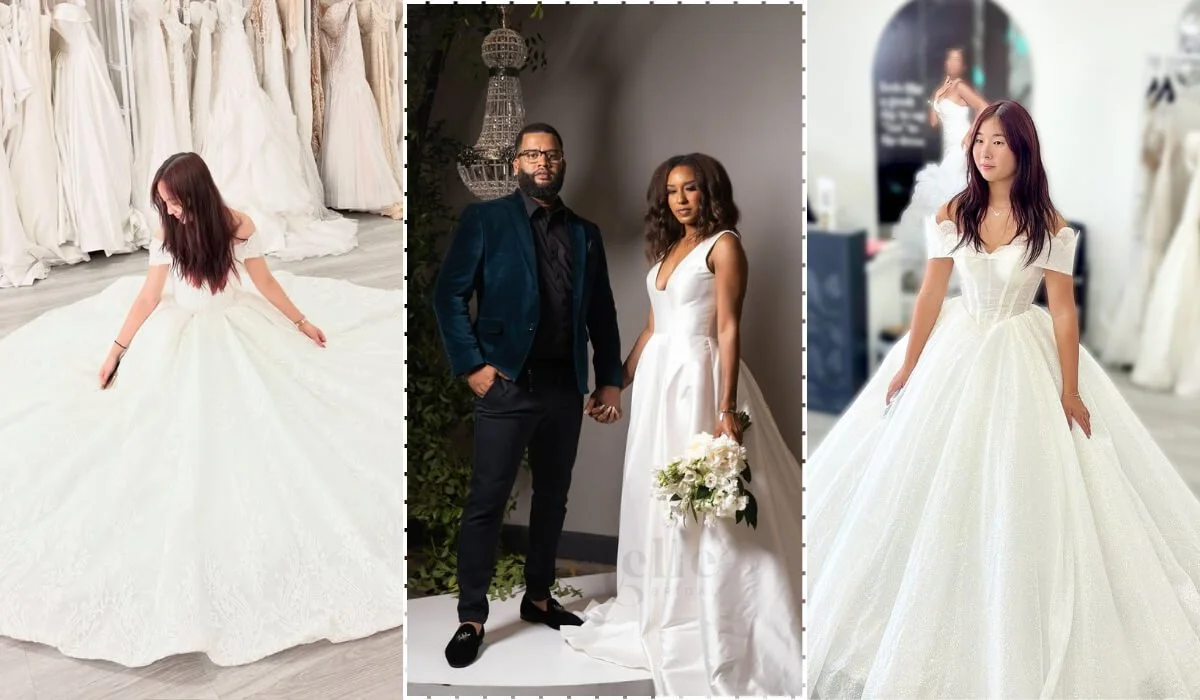
Winter weddings feel extra special, with crisp air, twinkling lights, and candlelit rooms that make every photo glow. Your bridal gown must be practical for colder weather, but it also needs to match that magic.
In this guide, we will explore the best winter wedding dresses. We will look at fabric, style, and important design details. You can find a dress for a winter celebration. It should feel beautiful, warm, and comfortable. You can do this anywhere in the USA.
What Makes a Dress "Winter Bridal"?
A great winter wedding dress is more than a summer gown with sleeves added. It balances three things:
Warmth and coverage for outdoor photos and chilly venues.
Structure and support to keep you feeling secure all day.
A style that suits your venue and personal taste.
No matter where your winter wedding is, the right outfits are important. Whether it's a snowy mountain, a hotel ballroom, a cozy barn, or a city courthouse, you want to stay comfortable. This will help you enjoy every moment, from the first look to the last dance.
Also Read: Elegant Winter Wedding Dress Ideas for Every Bride
Best Fabrics for Winter Wedding Dresses
Fabric choice is the foundation of every successful winter gown. The right textile keeps the chill away and holds its shape in photos.
Velvet
Velvet is a classic for cold weather. It is plush, warm, and instantly luxurious. Velvet A‑line or fit‑and‑flare gowns look stunning in deep jewel tones or clean winter white. Because the fabric already has a rich texture, you can keep details simple and still have a very elegant winter wedding dress.
Crepe
A crepe is perfect for modern brides who like clean lines. It has a smooth, slightly matte finish and enough weight to skim curves without clinging. Crepe works well for sheaths, mermaids, and minimalist styles. Paired with a cape or wrap, it becomes an effortless long-sleeve wedding dress winter option.
Mikado and Heavy Satin
Mikado and heavy satin are ideal if you love structure. They hold pleats, boxy skirts, and architectural bodices, making them popular in ballgowns and formal A‑lines. Designers often use these fabrics in classic winter formal wedding dresses for church or cathedral ceremonies.
Brocade, Jacquard, and Wool Blends
Brocade and jacquard use woven patterns to create depth without heavy beading. They suit historic venues and vintage‑inspired themes. In frigid cold regions, some designers also use subtle wool blends for a truly warm wedding dress that still looks refined.
Styles and Silhouettes That Work in Winter
Once you know your fabric, think about the silhouette that best suits your body type and venue.
Long‑Sleeve Winter Wedding Dresses
Long sleeves are a favourite for winter. Long-sleeve winter wedding dresses can be fitted. They can be made of crepe with romantic bishop sleeves. They can also have delicate illusion sleeves with lace appliqué.
They provide coverage for the ceremony but still feel light and feminine. Many brides choose winter wedding dresses with sleeves, or long-sleeve winter wedding dresses, for outdoor photos.
Classic Ballgowns and A‑Lines
Ballgowns and A‑lines are timeless and practical. The fuller skirt leaves room for slips, tights, or even thermal layers without showing any lines.
Many winter wedding dress collections have A-line cuts. Designers make these dresses from mikado, satin, or brocade. They create a regal look that suits almost any venue.
Minimalist Sheaths and Mermaids
If you prefer a sleek style, a simple crepe sheath or mermaid can still be exceptionally winter‑friendly. Add a structured cape, overskirt, or fur‑inspired wrap, and you have a chic winter wedding dress that is easy to move in. These options also work well for a winter courthouse wedding dress or an intimate city celebration.
Casual and Outdoor Winter Wedding Dresses
For a relaxed celebration or a snowy outdoor setting, pick winter wedding dresses. Look for options made from casual, lined chiffon, soft crepe, or jersey blends. Shorter trains and sturdy block heels are practical on uneven ground. An outdoor winter wedding dress usually pairs best with a warm coat, cape, or cardigan that still matches the overall style.
Also Read: What To Wear As A Guest At A Winter Wedding – Guide
Details: Fur, Coats, and Layering Pieces
Fur and Faux‑Fur Accents
Fur‑inspired pieces add drama and warmth. You might choose a wedding dress with fur, a detachable fur collar, or a fur coat for snowy portraits. Most brides use faux fur for comfort and easier care. Fully integrated fur winter wedding dresses are popular. These styles are great for mountain lodges and rustic cabins.
Capes, Jackets, and Wraps
Capes, boleros, and wraps help you adapt your gown throughout the day. A tulle or crepe cape can create a winter wonderland look for your wedding dress. You can take it off when the reception gets warmer. A simple wool coat in ivory or a soft color works well for travel between venues.
Necklines and Back Details
Higher front necklines, portrait necklines, and square shapes work well in winter, especially when you plan to wear a coat. Illusions, backs, and keyholes make things more interesting. They also let you wear supportive undergarments, which is important for long days.
Comfort, Fit, and Inclusivity
Comfort is just as important as style. When you try on women's dresses for a winter wedding ceremony:
Sit, walk, and raise your arms to test how the sleeves and bodice move.
Check the gown's weight; heavy does not always mean warm if there is no lining.
Bring the shoes and undergarments you plan to wear so we can adjust the hem and fit accurately.
Plus‑size brides have more choices than ever. Many designers create winter wedding dresses for plus sizes. These dresses have built-in support and smart necklines. They also feature sleeve shapes that provide comfort and coverage. A good stylist will help you find structure without feeling restricted.
FAQs
1. Do I have to wear long sleeves for a winter wedding?
Long sleeves are popular, but they are not the only option. You can choose a strapless or sleeveless gown in a heavier fabric and add layers, such as a cape, bolero, or faux‑fur wrap. Some brides prefer detachable or illusion sleeves so they can adjust their coverage between the ceremony and the reception. The main goal is to design a complete look, dress, and layers that match the temperature at your venue.
2. Which fabrics keep me warm without feeling too bulky?
Velvet, crepe, mikado, heavy satin, and certain wool‑blend fabrics give warmth and structure without feeling overly heavy. Fully lined gowns usually feel warmer and smoother on the body. If you love light fabrics like chiffon or tulle, look for double linings. You can also wear thin thermal tights and slips underneath to stay comfortable.
3. Can a simple dress work for a winter wedding?
Yes. Simple winter dresses for wedding celebrations can look incredibly chic. A plain crepe column or satin A‑line can become a standout look with the right veil, jewelry, or cape. Winter décor, candles, greenery, and metallic accents create a natural drama. This means your gown does not need heavy beading or lace unless you absolutely love that style.
4. How should I choose a dress for an outdoor winter ceremony?
For outdoor vows, consider the entire outfit: gown, outerwear, footwear, and accessories. An outdoor winter wedding dress usually works best in a substantial fabric with sleeves or a higher neckline. Plan a warm coat or cape that suits the silhouette and choose shoes with good grip, even if you switch to more delicate heels indoors. Try on all the layers together before the wedding to be sure you can move and sit comfortably.
5. What is the difference between a winter bridal dress and winter guest attire?
A winter bridal dress emphasizes bridal colors, typically white or ivory. It has design details that clearly place the bride at the center of the event: trains, veils, and special embellishments. Winter guest outfits, including those for weddings, often use more colors and simpler shapes. When choosing your gown, think about how it will stand out while still matching the season and the rest of the wedding party.
Conclusion
Choosing the best winter bridal dress is about more than liking a single photo online. The fabric feels good on your skin, the silhouette supports you all day, and the details express your personal style. From velvet ballgowns to smooth crepe dresses and warm faux-fur wraps, there are winter wedding dresses for every bride and venue. With thoughtful choices in fabric, style, and layering, your winter wedding look can be warm, elegant, and completely your own.