
Best Fabric for Bridesmaid Dresses in Summer: The Complete 2026 Guide
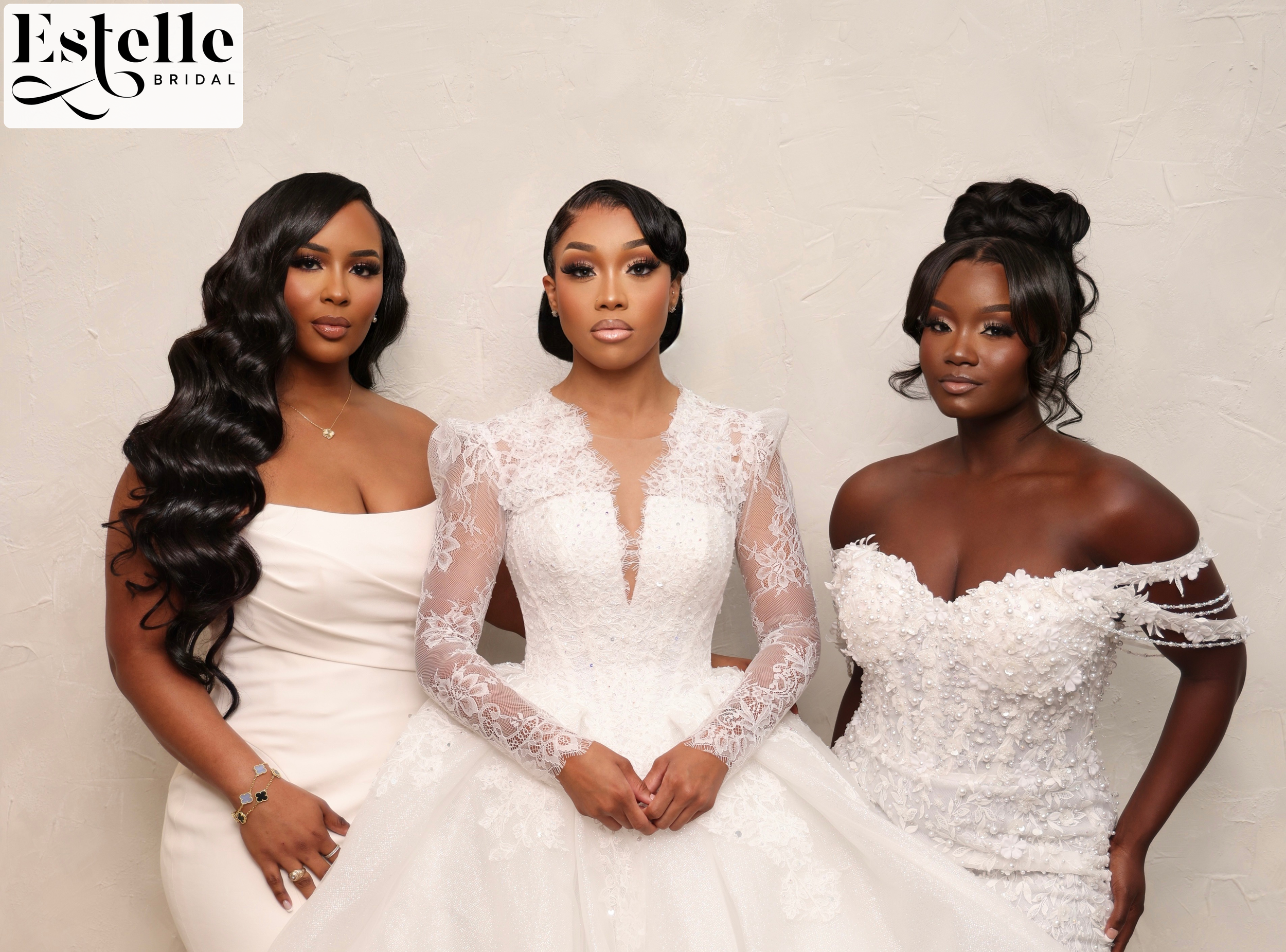
Thebest fabric for bridesmaid dresses in summer is not the one that looks most impressive on a hanger. It is the one that keeps your entire bridal party comfortable from the ceremony through the last dance, photographs beautifully in natural light, and holds its shape across eight or more consecutive hours of wear. Summer weddings, especially in high-humidity markets like Houston where July dew points regularly reach 75°F and relative humidity averages 74%, place real thermal stress on heavy or poorly breathable fabrics. A bridesmaid in the wrong material at an outdoor June reception in Texas is visibly uncomfortable by hour three, and that shows in photographs. This guide covers every summer-appropriate fabric with real data, a side-by-side comparison, care instructions, and everything you need to make the right call before you place the order.
Why Fabric Is a Practical Decision Before It Is an Aesthetic One
Spring and autumn weddings offer flexibility. The temperature range is forgiving, venues are often indoors, and a slightly heavier fabric reads as intentional rather than uncomfortable. Summer removes that margin entirely, and the fabrics that fail at summer weddings fail for specific, measurable reasons.
Breathability is how readily a fabric allows air circulation across the skin. Open or loose weave structures - chiffon, georgette, organza - have high air permeability, meaning more airflow and directly less heat trapped against the body.
Moisture-wicking describes how a fabric handles perspiration. Natural fibres like linen and cotton absorb moisture well. Synthetic performance blends and some georgettes both wick and dry simultaneously, which is more practical for a full wedding day because the moisture leaves rather than sitting in the fabric.
Fabric weight measured in GSM (grams per square metre) is the clearest single indicator of summer suitability. Fabrics below 80 GSM are lightweight and appropriate for outdoor summer wear. Anything above 150 GSM retains body heat and belongs in autumn and winter collections regardless of how it is marketed.
Drape quality determines whether a fabric flows away from or clings to the body. A dress that clings in summer heat becomes uncomfortable and unflattering at the same time. Flowy fabrics with good drape stay off the skin and allow the cooling air gap that makes a material genuinely wearable in warm conditions.
The Fabrics That Actually Work
Chiffon
Chiffon earns its reputation as the standard summer bridesmaid fabric because it delivers on what matters most: a dress that photographs well and doesn't make anyone miserable in the heat. At 50 to 75 GSM, it is among the lightest fabrics used in formal dress construction. It allows real airflow across the skin, flows naturally away from the body rather than against it, and creates the soft romantic movement in outdoor photographs that heavier fabrics simply cannot replicate.
It is semi-sheer, which is why it is almost always constructed in multiple layers or lined. Fully lined chiffon maintains modesty without meaningfully reducing breathability, provided the lining is a single lightweight layer rather than a heavy polyester shell. The layered construction is also what creates that flowy, beautiful effect in natural light - one of the reasons chiffon remains the number one choice for garden and beach ceremonies.
The honest trade-offs: chiffon wrinkles when folded in a garment bag, it snags on rough surfaces and jewellery if handled carelessly, and it needs that lining for full coverage. If your bridal party is ordering at different times, colour consistency between batches can vary, so placing the full order together is the smarter approach.
It works best at outdoor garden ceremonies, beach weddings, and any venue where natural light and open air are part of the experience.
After the wedding, hand-wash it in cool water with a gentle detergent, hang it to air dry out of direct sunlight, and use a steamer on low heat for any creases. Keep it in a breathable garment bag rather than plastic for long-term storage.
Georgette
Georgette sits just above chiffon on the formality and structure scale, and the difference is more practical than aesthetic. Its slightly crinkled surface texture means it holds up better across a long day. A bridesmaid who has been sitting through a two-hour ceremony in georgette looks considerably more polished than one in flat chiffon when she stands up for photographs. It breathes well, stays cool against the skin, and drapes beautifully in bias-cut and goddess silhouettes where the fabric does most of the visual work.
At 80 to 100 GSM, it stays firmly in the summer-appropriate weight range. It is also slightly more opaque than chiffon, which reduces the need for heavy underlining without sacrificing the lightweight feel. The texture can feel marginally rougher against sensitive skin, and it doesn't stretch, so fit accuracy at the ordering stage matters more than it does with jersey or crepe.
Georgette is the right fabric for formal outdoor events, vineyard receptions, or any wedding where the bridal party moves between a morning ceremony and an evening reception and needs to maintain a consistent appearance throughout.
Most polyester georgette holds up well in a gentle machine wash on cold, laid flat or hung to dry. Low-heat steam handles any remaining wrinkles without damaging the weave.
Charmeuse
Charmeuse is the fabric for brides who want something that reads as genuinely luxurious without compromising on summer wearability. Its glossy face against a matte reverse gives it a silk-like quality that catches light differently from chiffon or georgette. In evening photographs, particularly indoors, it has a warmth and depth that lighter fabrics do not produce. Against the skin it feels cool rather than warm, which is why it works in summer despite its formal, polished appearance.
That said, charmeuse is not forgiving in outdoor conditions. Water spots appear immediately and visibly, which limits it to venues where accidental moisture contact is unlikely. It also clings to body curves in heat more than flowy fabrics do, so it performs best when the bridal party will be indoors or in a temperature-controlled environment for the majority of the day.
Silk charmeuse needs dry cleaning. Synthetic charmeuse can be hand-washed carefully in cool water, never machine-washed, never wrung, and hung to dry. It is higher maintenance than chiffon, but for the right wedding aesthetic and the right venue, the result justifies the care.
Crepe
What crepe offers that no other summer fabric does is wrinkle resistance without bulk. A bridesmaid in polyester crepe looks the same at the end of a reception as she did walking down the aisle. The fabric has a natural memory that returns it to shape after hours of sitting, dancing, and moving through a full wedding day. It has genuine stretch, a matte finish that photographs cleanly in both indoor and outdoor light, and enough structure to hold a tailored silhouette without any extra support underneath.
It runs slightly warmer than chiffon and doesn't move with the same romantic flow, so if a flowy, ethereal aesthetic is the priority, crepe is the wrong choice. For modern wedding aesthetics, structured silhouettes, or venues with reliable air conditioning, it is one of the most practical options in the summer bridesmaid category.
Crepe is also genuinely easy to care for. Most polyester versions machine-wash on a delicate cold cycle, hang to dry, and need minimal ironing. For bridesmaids who want to actually wear the dress again after the wedding, that practicality matters considerably.
Organza
Organza works best as a layer rather than a standalone construction for summer bridesmaids wear. Its stiffness creates volume and formality that reads as architectural rather than flowing, which suits formal summer occasions beautifully when used as an overlay over a softer base like chiffon. An organza-over-chiffon construction delivers the breathability and movement of the base fabric with the visual formality and slight volume of the overlay. On its own, organza works best in shorter silhouettes -tea-length or midi where the crisp quality reads as polished rather than stiff. For floor-length summer dresses, the combination construction is consistently more comfortable and more flattering.
Linen
Linen is consistently underestimated in the bridesmaid fabric conversation, and for outdoor summer weddings in natural settings, that underestimation is a mistake. It breathes better than most synthetic fabrics because of how its natural hollow fibres absorb and release moisture simultaneously. In genuine summer heat and high humidity, that process produces real cooling that synthetic fabrics cannot fully replicate regardless of how they are marketed.
The complication is wrinkles, and there is no getting around it. Linen wrinkles aggressively from the first hour of wear. For rustic, garden, boho, or coastal weddings where a relaxed, lived-in texture is part of the aesthetic, this reads as intentional and beautiful. For formal venues where a polished appearance needs to hold from ceremony through last dance, linen creates visible problems by mid-morning.
Machine-wash on a gentle cycle, tumble dry on low, and iron while the fabric is still slightly damp for the smoothest result. It is the easiest natural fabric to care for post-wedding, and one of the few where the bridesmaids will genuinely want to wear it again in a different context.
Fabrics to Avoid in Summer
Heavy satin above 150 GSM reflects and retains heat, does not breathe, and clings visibly when body heat warms it. Traditional structured bridal satin is an autumn and winter fabric regardless of the colour it comes in.
Mikado is tightly woven, heavier than it appears, and builds heat rapidly in outdoor conditions. Popular in formal collections, but thermally wrong for summer outdoor wear.
Velvet is a winter fabric. Its pile structure traps heat against the skin and creates visible discomfort in warm temperatures within the first hour of wear.
Brocade and jacquard have complex, tight weave structures designed for cooler conditions. Both are beautiful in appropriate seasons and inappropriate for summer outdoor weddings.
The fabric issue most brides overlook is heavy polyester lining on otherwise light dresses. Many summer-weight styles are undermined by a thick polyester lining that traps moisture between the lining and the outer fabric. Look specifically for cotton or silk-blend linings, or single-layer lightweight options rather than full structured shells.
Fabric Advice for Plus-Size Bridesmaids in Summer
Plus-size bridesmaids need the same breathable fabrics - the difference is how the silhouette interacts with the material in a larger size. Chiffon and georgette in A-line or empire-waist constructions work best because the fabric flows away from the body rather than resting against it, which matters more as the fabric surface area increases.
Bias-cut charmeuse, which photographs beautifully on most body types, requires consideration in warm outdoor conditions because its body-skimming drape reduces the air gap between fabric and skin. For outdoor ceremonies lasting more than an hour, chiffon or georgette in an A-line silhouette is the more comfortable and equally flattering choice.
Crepe, for its stretch and wrinkle resistance, is one of the most consistently functional options for plus-size bridesmaids across a full summer wedding day. It accommodates movement without pulling or restricting, and its matte finish is flattering across a range of body types in both natural and artificial light.
Why Choose Estelle Bridal for Your Summer Bridesmaid Collection
Knowing which fabric is technically correct for summer is useful. Having a boutique that applies that knowledge to your specific wedding - your venue type, your wedding date, your bridal party's body types, and how the bridesmaids' fabric coordinates with the bridal gown - is what turns that information into an outcome you're happy with on the actual day.
AtEstelle Bridal, fabric is part of the first conversation, not an afterthought once colour and silhouette are locked in. Houston's summer climate, where outdoor temperatures regularly exceed 90°F and humidity levels make moisture-managing, breathable fabrics essential rather than optional, shapes every fabric recommendation the styling team makes. A fully outdoor garden ceremony in Katy in June gets different guidance from an indoor air-conditioned reception at a downtown Houston hotel, even when the colour and silhouette are identical. That specificity is what separates a useful consultation from a pleasant one.
Thebridesmaid collection at Estelle Bridal spans the full range of summer-appropriate fabrics and is coordinated in direct relation to thebridal gown - so sheen level, drape quality, and colour consistency across the wedding party are considered as part of a single visual decision rather than assembled from separate transactions. Theaccessories collection including veils, headpieces, and jewellery is advised with the specific fabrics already confirmed in the room.
Estelle Bridal is a Black-owned, woman-owned boutique at 2428 S Hwy 6 in southwest Houston, founded in 2016 and featured in Black Brides magazine. For Houston brides planning summer weddings where fabric comfort is a genuine practical concern,book your appointment here.
Order Timeline for Summer Bridesmaid Dresses
Milestone
Timeline Before Wedding
Action
Fabric and colour confirmed
7–8 months
Confirm fabric, shade, and silhouette with boutique
Full order placed
5–6 months
Order entire party together for colour batch consistency
Dresses arrive
3–4 months
Inspect quality, check colour match across all pieces
First fitting
6–8 weeks before
Hem, strap, and bodice adjustments
Second fitting
2–3 weeks before
Final check, steam, accessories confirmed
Wedding day
Day of
Steam if needed, check closures and lining
Ordering the full party together in one transaction is the single most effective way to guarantee colour consistency across lightweight fabrics like chiffon and georgette, where dye batch variations between separate orders are common enough to matter.
Closing
The best fabric for bridesmaid dresses in summer is the one that holds up through everything - the outdoor ceremony, the photographs, the dancing, and the reception wind-down - without anyone in your party visibly struggling with it. For Houston summer weddings, chiffon and georgette are the most reliably correct choices across outdoor and indoor venues alike. Charmeuse serves formal evening events where the air conditioning is reliable. Crepe and linen cover specific aesthetics and venue types where their properties make them the right fit. The fabrics to avoid share one characteristic: they trap heat and moisture in conditions that are already demanding enough without the dress adding to the problem. Estelle Bridal's consultation process is built around making the right fabric decision from the start, not revisiting it after the dresses arrive.Book your appointment here.
Frequently Asked Questions
What is the best fabric for bridesmaid dresses in summer outdoor weddings?
Chiffon at 50–75 GSM is the top choice - lightweight, breathable, moisture-friendly, and flowy in natural light. Georgette is the best alternative when more structure or wrinkle resistance is needed.
What is the difference between chiffon and georgette for summer bridesmaids?
Chiffon is lighter, sheerer, and more flowy. Georgette has a textured surface, slightly more opacity, and better wrinkle resistance - ideal for longer wedding days with multiple setting changes.
What bridesmaid fabrics should be avoided for summer outdoor weddings?
Heavy satin above 150 GSM, Mikado, velvet, brocade, jacquard, and any dress with a thick polyester lining. All trap heat and moisture against the skin in warm outdoor conditions.
What is the best summer bridesmaid dress fabric for plus-size bridesmaids?
Chiffon and georgette in A-line or empire-waist silhouettes, where the fabric flows away from the body. Crepe is also excellent for its stretch, structure, and wrinkle resistance across a full wedding day.
How far in advance should summer bridesmaid dresses be ordered?
Place the full party order five to six months before the wedding. This ensures colour batch consistency, leaves four to eight weeks for alterations, and avoids rush fees on lightweight fabrics.